Government Statement
Canada’s military presence in the Indo-Pacific is about more than ships at sea. It is about supporting international law and the rules that contribute to Canada’s security and prosperity, reducing the risk of miscalculation, and building relationships that can endure periods of tension.
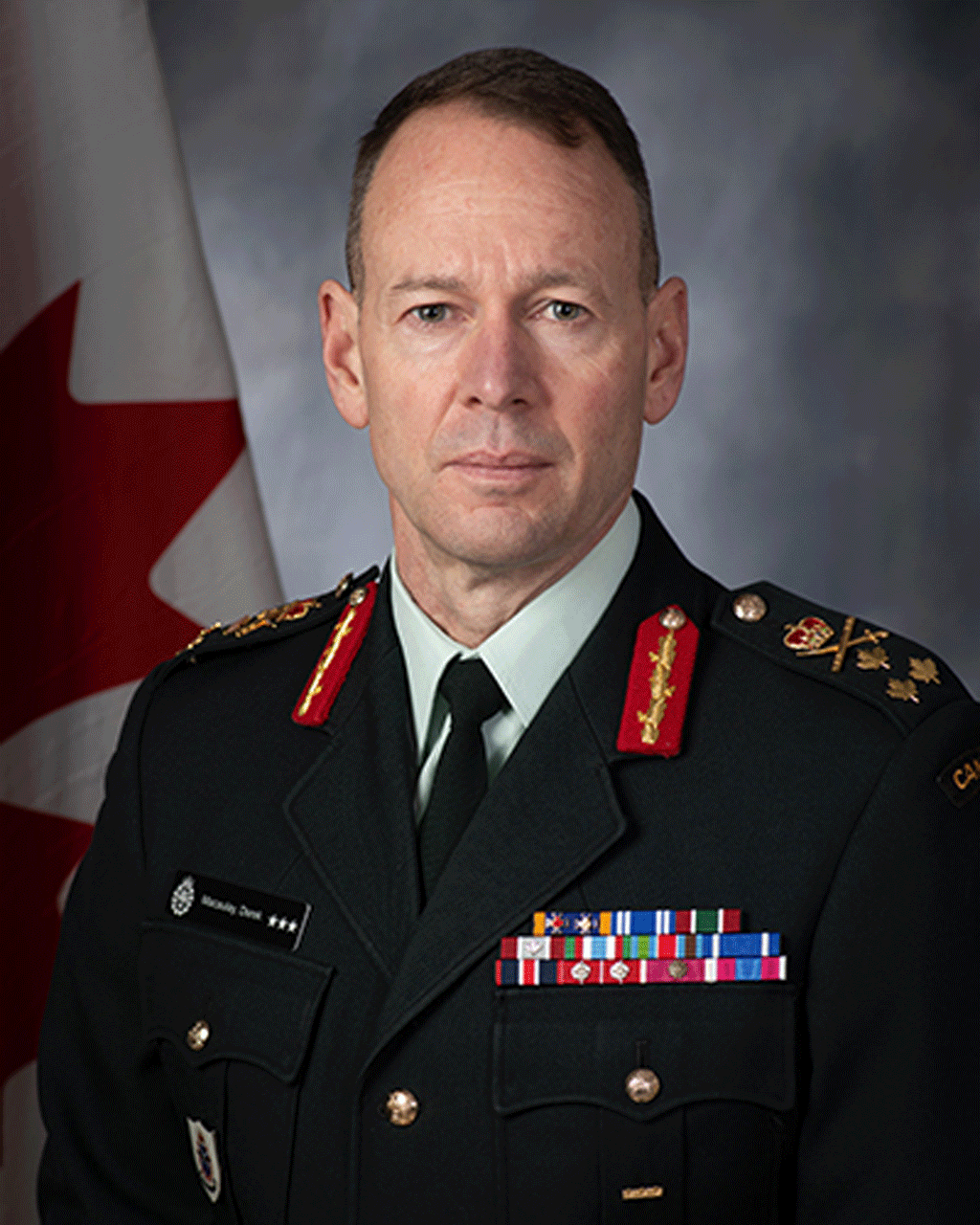
That was the message Lieutenant-General (LTGEN) Derek Macaulay, the Canadian Armed Forces’ (CAF) Senior Military Representative to the Indo-Pacific, delivered at the 18th South China Sea International Conference in Hanoi, Vietnam. Hosted by the Diplomatic Academy of Vietnam, the conference brought together senior officials, diplomats, and experts to discuss the evolving maritime environment, the role of international law, and practical approaches to regional cooperation.
For LTGEN Macaulay, the connection to Canada was direct. Canada has 25,000 kilometers of Pacific coastline, nearly one in five Canadians trace their family roots to the Indo-Pacific, and six of Canada’s top 13 trading partners are in the region. Much of the trade crossing these waters ultimately reaches Canadian ports and Canadian homes.
His keynote placed international law at the center of Canada’s approach. He described the United Nations Convention on the Law of the Sea (UNCLOS) not simply as a diplomatic principle, but as a practical framework for those operating at sea. Canada’s position is that maritime disputes must be resolved peacefully and in accordance with international law, including UNCLOS.
“For those of us in uniform, UNCLOS is a practical document that keeps us safe. It tells a commanding officer where the ship may go and what it owes to others while it is there.”
That matters as the maritime environment becomes more crowded. LTGEN Macaulay noted that close encounters involving navies, coast guards, fishing fleets, research ships, commercial vessels, and uncrewed systems carry a risk of unintended miscalculation. Maintaining communication between militaries, including when governments disagree, can help manage that risk and is an important part of defense diplomacy.
For the CAF, that approach is reflected in sustained engagement across the region. Through Operation HORIZON, Canada’s military contribution to the Indo-Pacific Strategy, the Royal Canadian Navy deploys three warships to the region annually. CAF members also participate in training, exercises, and capacity-building activities with regional partners.
Vietnam is an important part of that engagement. As Canada’s largest trading partner in the Association of Southeast Asian Nations (ASEAN), Vietnam is also a growing defense partner. The relationship includes security cooperation, navy-to-navy engagement, port visits, policy dialogue, and cooperation on Women, Peace, and Security. HMCS Montréal visited Ho Chi Minh City in 2024 and HMCS Charlottetown visited Da Nang in 2026.
LTGEN Macaulay emphasized that further defense cooperation should develop “at a pace that suits both countries and in areas where Vietnam sees added value.”
For Canada’s Indo-Pacific Strategy, the significance is practical. Sustained military engagement provides Canada with opportunities to better understand regional perspectives, strengthen relationships, support international law, and contribute to reducing the risk of miscalculation. It also demonstrates that Canada intends to remain engaged over the long term.
LTGEN Macaulay captured that approach in his closing remarks: “Canada’s role is more modest, yet enduring.”
“We will keep showing up, and we will keep listening.”
